
What makes you grow taller comes down to a combination of genetics, growth plate activity, hormones, and the everyday habits that either support or undermine your body's natural growth process. Genetics sets the ceiling, but nutrition, sleep, exercise, and overall health determine how close you get to it. If you're still growing, there are real, evidence-backed things you can do today to protect your potential. what makes a person grow taller If you're an adult, the picture changes significantly, and it's worth being honest about what's actually possible.
What Makes You Grow Taller: Science, Habits, and Myths

Marcus Reeves
24 Mar 2026
How height growth actually works
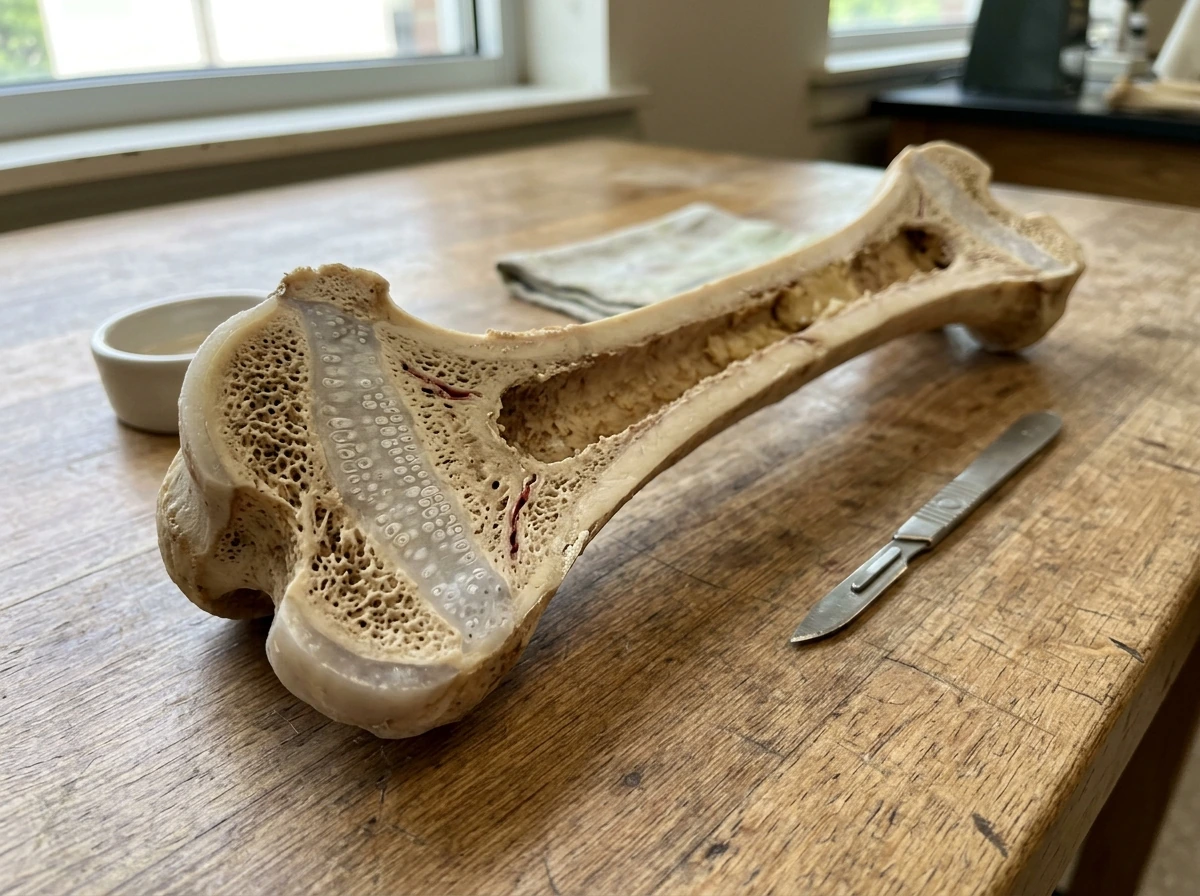
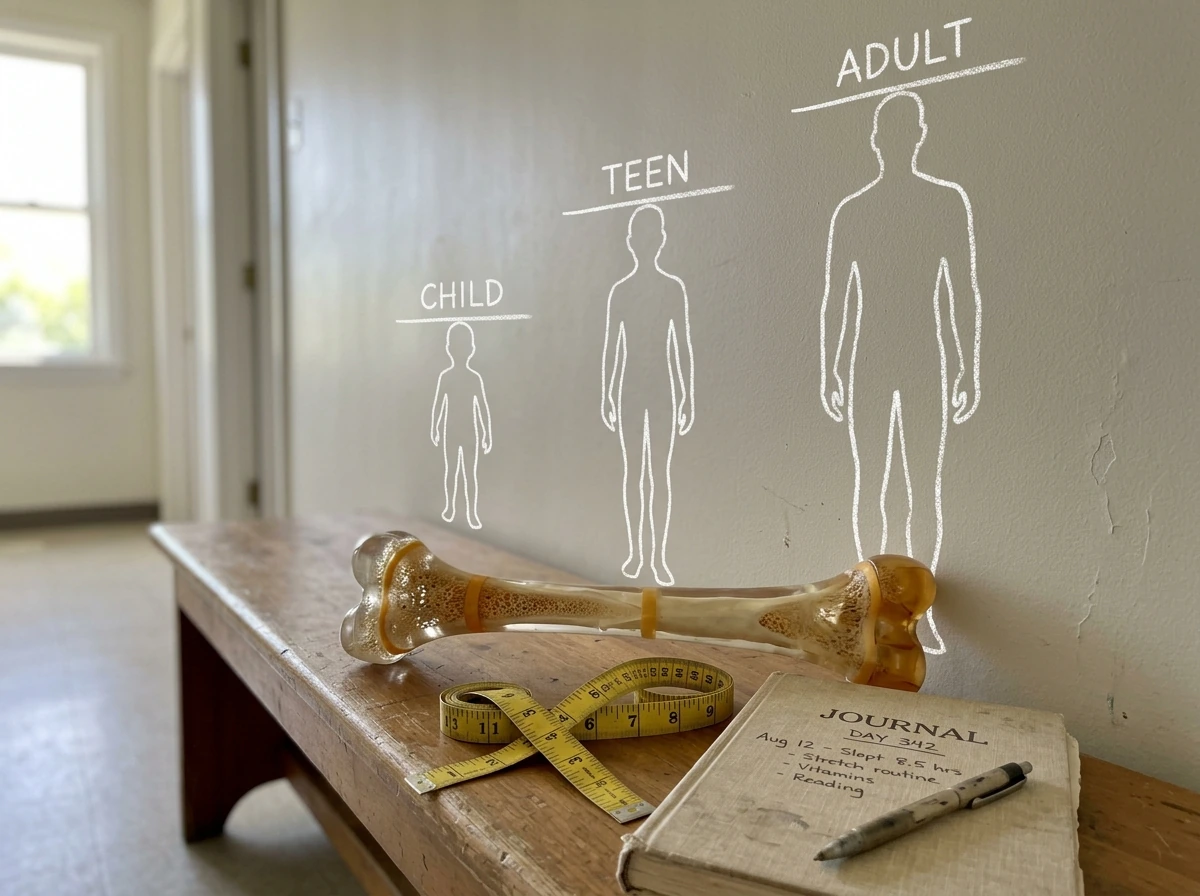
Your bones don't grow from the middle outward like a stretching rubber band. They grow from specific zones near the ends of long bones called growth plates, or epiphyseal plates. These are regions of cartilage tissue that gradually produce new bone cells, pushing the bone ends apart and increasing bone length over time. Growth plates are active throughout childhood and adolescence, driven primarily by growth hormone (GH) and insulin-like growth factor 1 (IGF-1). Once puberty concludes, these plates harden and fuse, and linear height growth stops entirely. After fusion, no amount of nutrition, exercise, or supplementation can make your bones longer, so if you're asking how does the body grow taller after that point, the focus shifts to standing taller within your skeletal limits.
The timing of that fusion is heavily tied to puberty. Girls typically experience growth plate closure about two years earlier than boys, which lines up with girls entering and completing puberty sooner. MRI data confirms this earlier fusion pattern in females across most skeletal sites. A radiographic study tracking distal tibia and fibula epiphyseal plates in 570 individuals mapped out the specific age ranges when fusion becomes likely, providing a useful window for understanding when remaining height potential is likely limited. The key takeaway: growth windows are finite, and they close earlier than many people assume, especially for girls.
The adolescent growth spurt adds a significant chunk of final height, but it doesn't last forever. Longitudinal modeling shows that the growth spurt slows sharply about 1.5 years after peak height velocity and tapers off over roughly 3.5 years following that peak. In practical terms, if you've already had your biggest growth surge and your puberty markers are well along, the window is narrowing. Bone age (assessed through a wrist X-ray) is more informative than chronological age when estimating remaining growth, because puberty timing varies considerably between individuals.
The evidence-based factors that influence how tall you grow
Height is not a simple input-output equation, but the science is clear on which factors matter. Genetics accounts for roughly 60 to 80 percent of height variation between people. The rest is shaped by your environment, health, and habits during the years your growth plates are active. Think of genetics as the blueprint and the other factors as whether the building gets properly constructed.
- Genetics: midparental height (the average of both parents' heights, adjusted for sex) is the strongest single predictor of how tall a child will be. A clinical formula adds approximately 6.5 cm to the midparental average for boys and subtracts 6.5 cm for girls to estimate target height.
- Growth hormone and IGF-1: these are the primary hormonal drivers of bone elongation at the growth plates. GH deficiency, hypothyroidism, or other endocrine problems can significantly limit height and are treatable if caught early.
- Nutrition: overall caloric intake, protein, and specific micronutrients (especially zinc, iron, vitamin D, and calcium) directly support bone growth and hormonal function.
- Sleep: the largest daily pulse of growth hormone is released during slow-wave sleep. Consistently short or poor-quality sleep disrupts this pulse and can limit growth.
- General health: chronic illness, untreated infections, inflammatory conditions, and significant psychological stress all divert resources away from growth.
- Puberty timing: earlier puberty means an earlier growth spurt but also earlier growth plate fusion, which can paradoxically reduce final adult height if onset is very premature.
Practical levers by life stage
What you can actually do depends heavily on where you are in development. The interventions that matter for a 10-year-old, a 15-year-old, and a 30-year-old are fundamentally different.
Children (roughly ages 2 to 10)

This is the stage where consistent, adequate nutrition is most critical. Children who are chronically undernourished, deficient in zinc, or who suffer from untreated iron deficiency anemia are at real risk of not reaching their genetic height potential. Zinc supplementation trials in children aged 6 to 24 months have shown meaningful improvements in linear growth in populations at risk of deficiency. Iron deficiency anemia has been specifically associated with growth impairment, and treatment shows improvements in linear growth velocity. At this stage, the goal is simple: eliminate nutritional deficiencies, ensure adequate sleep, and address any health conditions that might be sapping the body's growth resources.
Adolescents (puberty through late teens)
This is the highest-leverage window. The adolescent growth spurt can add 8 to 12 cm per year at peak, and the habits during this period directly affect whether you hit the top of your genetic range. Protein intake, total calories, calcium, vitamin D, and zinc all become especially important during rapid bone growth. Sleep is non-negotiable: the major GH pulse occurs at night, specifically during deep sleep stages, so consistent nighttime sleep (not just total sleep time spread across naps) matters most. If puberty seems delayed or growth appears to be stalling, a clinical evaluation is warranted rather than waiting it out.
One clinically relevant point on puberty timing: in cases of central precocious puberty (puberty starting unusually early, before age 8 in girls or 9 in boys), early treatment with LHRH agonists can actually protect final height by delaying growth plate fusion. This highlights how tightly puberty timing and height potential are connected. On the other side, constitutional delay of growth (where puberty and the growth spurt are simply late) is a normal variant that generally resolves on its own, but evaluation can distinguish it from conditions that need treatment.
Adults (growth plates fused)
Once growth plates have fully fused, typically by the late teens to early twenties, true bone elongation is not achievable through lifestyle changes. Adults asking how to grow taller are really asking one of two different questions: how to stand as tall as their skeleton allows (posture, spinal health, core strength), or whether medical intervention is an option. why do we grow taller Both are covered below in the adult section.
What actually stops you from growing taller
This is where a lot of confusion lives, because the blockers range from serious medical conditions to simple everyday habits. Understanding them helps you figure out whether something is worth addressing.
Biological and medical blockers
- Growth hormone deficiency: one of the clearest treatable causes of short stature. GH treatment has been shown to improve final height in children with documented deficiency and in specific conditions like severe juvenile idiopathic arthritis.
- Hypothyroidism: thyroid hormone is essential for normal bone growth. Undiagnosed or untreated hypothyroidism can significantly impair height.
- Precocious puberty: an early growth spurt sounds good, but it can cause early growth plate fusion and a shorter final height than genetic potential would suggest.
- Chronic illness: conditions involving persistent inflammation, malabsorption (like celiac disease or Crohn's), or organ dysfunction redirect the body's resources away from growth.
- Nutritional deficiencies: zinc, iron, vitamin D, calcium, and adequate overall calories are the most documented growth-limiting deficiencies. Multiple simultaneous deficiencies make the problem worse.
- Obstructive sleep apnea: children with untreated sleep apnea show higher rates of growth failure. Treating the underlying cause (such as adenotonsillectomy) can reverse some of this growth retardation.
Lifestyle and behavioral blockers
- Insufficient or poor-quality sleep: disrupts the GH pulse that drives bone elongation.
- Chronic caloric restriction or extreme weight loss: the body deprioritizes growth when it's in an energy deficit.
- Smoking and alcohol during adolescence: both are associated with impaired bone development and can affect pubertal progression.
- Chronic psychological stress: activates the stress hormone cortisol, which suppresses GH secretion and can blunt growth responses.
- Sedentary behavior: weight-bearing physical activity supports bone mineralization; being consistently inactive during childhood and adolescence reduces the bone quality and structural benefits of the growth period.
Common myths to stop believing
Height-boosting supplements sold online (typically blends of amino acids, herbs, or obscure minerals) have no credible evidence showing they increase bone length in people who aren't already deficient in something specific. The mechanism simply doesn't exist: you cannot chemically stimulate closed or closing growth plates back into activity through a supplement. Similarly, claims that stretching increases bone length are not supported by growth-plate biology. Stretching improves flexibility, range of motion, and balance performance, which are genuinely useful, but it does not lengthen bones. Hanging exercises, inversion tables, and similar routines don't produce measurable height gains. The temporary spinal decompression you feel after stretching or lying down is real but it reverses quickly and reflects fluid changes in intervertebral discs, not bone growth.
Nutrition, sleep, exercise, and health: what the evidence actually says
Nutrition
You need adequate total calories first. No specific micronutrient works properly if the body is in significant caloric deficit. After that baseline, protein is the most important macronutrient for growth, as it provides the amino acids needed for bone matrix and tissue synthesis. Among micronutrients, calcium and vitamin D are the most widely known for bone health, but zinc and iron often get less attention despite strong evidence linking their deficiency to growth impairment. It's worth noting that in well-nourished populations, supplementing zinc or iron when no deficiency exists doesn't produce additional height gains, and in some conditions iron supplementation in non-deficient children has actually been associated with slower linear growth. The rule is: correct deficiencies, don't over-supplement.
Sleep

The connection between sleep and growth hormone is well established. A landmark study documented the major GH secretion peak occurring specifically during sleep, tied to slow-wave sleep stages. Research associating nighttime sleep duration in toddlers with height at age 3 found a dose-response pattern: longer nighttime sleep was associated with taller height, independent of other factors. Notably, nighttime sleep duration specifically showed the association, not just overall sleep time. For children and adolescents, 9 to 11 hours of consistent nighttime sleep (depending on age) is the practical target. Adults should prioritize 7 to 9 hours. Treating sleep-disrupting conditions like obstructive sleep apnea matters not just for health broadly but specifically for supporting normal GH release patterns.
Exercise
Weight-bearing and impact exercise during childhood and adolescence supports bone mineralization. School-based exercise programs have been shown to increase bone mineral density and content in children and adolescents, and longitudinal evidence suggests that mechanical loading during youth translates to lasting structural bone benefits even in adulthood. This doesn't mean exercise directly makes you taller, but it does mean that physically active kids develop denser, stronger bones and better overall skeletal health, which supports reaching full growth potential. What exercise does not do is stretch or lengthen bones. Activities like swimming, basketball, or running don't make you taller because of the physical motions themselves; they support growth by promoting overall health and bone quality.
General health
Any chronic health condition that goes unmanaged is a drag on growth potential. This is particularly true for inflammatory conditions, gastrointestinal disorders that impair nutrient absorption, and endocrine disorders. If a child's growth is tracking below the 3rd percentile or their growth velocity is slowing compared to prior measurements, clinical evaluation is the right move. Height velocity needs to be assessed with at least 6 months between measurements to be meaningful, and it should be plotted on validated growth charts (CDC or WHO) and compared against midparental height to determine whether a pattern is concerning or simply reflects family genetics.
Understanding genetics and setting realistic expectations

The most useful single number for estimating your height potential is your midparental height. Take the average of both parents' heights, then add 6.5 cm if you're male or subtract 6.5 cm if you're female. This gives you a target height, and most people fall within about 8 to 10 cm of that target. Bone age (determined by X-ray of the wrist and hand) combined with your current height and puberty stage allows clinicians to generate more precise adult height predictions using models like the Bayley-Pinneau tables, which factor in bone age, current height, and the timing of puberty events like menarche.
What this means practically: if both your parents are average height and your bone age is typical, expecting to be 6'3" is not realistic regardless of what you eat or how you train. Conversely, if you're a teenager who has been chronically undernourished or who has an unmanaged health condition, there may be real room to close the gap between your current trajectory and your genetic ceiling. The goal of all these interventions is not to exceed genetic potential but to reach it.
There is meaningful variability in puberty timing between individuals, which means chronological age alone is a poor guide. Two 14-year-olds can be in completely different stages of the growth process. If tracking your own growth or your child's, the important signals are: is growth velocity normal for the stage of puberty, does current height align reasonably with midparental height, and is the growth curve trend consistent? A single measurement is much less informative than a pattern over time.
When to see a doctor
Evaluation is appropriate when height falls below roughly the 3rd percentile, when growth velocity is declining relative to prior measurements, when there's a significant gap between current height and what's expected given parental heights, or when puberty seems significantly early or late. The purpose of evaluation is to distinguish normal variation (familial short stature, constitutional delay of growth) from conditions that are genuinely treatable, like GH deficiency, hypothyroidism, celiac disease, or inflammatory conditions. Don't wait years hoping things will sort themselves out if the pattern looks off.
If you're an adult: true height growth vs standing taller

If your growth plates are fused, no lifestyle intervention will increase your skeletal height. This is a biological fact, not a pessimistic take. Growth hormone is not approved as a general adult height treatment, and using it without a diagnosed deficiency carries real health risks. That said, many adults are not actually standing at their full structural height because of posture, spinal compression, and mobility limitations, and addressing those factors can make a meaningful visible difference.
Posture and spinal health
Chronic forward head posture, thoracic kyphosis (rounding of the upper back), and weak core muscles can compress your apparent height by several centimeters. Strengthening the muscles that support spinal alignment (particularly the deep core, glutes, and upper back) combined with mobility work to address tight hip flexors and chest muscles can genuinely recover height that poor posture has hidden. This isn't the same as growing taller, but it can produce a real and lasting improvement in how tall you actually stand and carry yourself.
Intervertebral disc health
The discs between your vertebrae account for roughly 25 percent of spinal column height. They compress throughout the day under gravity and re-expand during sleep. Maintaining disc hydration and health through adequate hydration, avoiding prolonged static loading, and building spinal support musculature helps preserve that component of height over time. Most people are measurably shorter by 1 to 2 cm at the end of the day compared to the morning; this is normal, but chronic compression from poor posture and weak spinal support accelerates disc degradation.
Medical options for adults
Cosmetic limb-lengthening surgery (typically involving controlled fractures and gradual bone distraction) is the only medical procedure that can increase skeletal height in adults with fused growth plates. It can produce substantial height increases, but it is associated with significant recovery time, risks of complications, and considerable cost. It is not a casual or low-stakes procedure. This is something worth discussing with an orthopedic specialist if height is a significant concern, but it should be approached with clear eyes about the realities involved.
| Life Stage | What Can Help | What Won't Help | When to Seek Evaluation |
|---|---|---|---|
| Children (2-10) | Adequate nutrition, correcting deficiencies (zinc, iron, vitamin D), consistent nighttime sleep, weight-bearing activity, treating chronic illness | Height-boosting supplements, stretching to lengthen bones | Height below 3rd percentile, slowing growth velocity, suspected endocrine or GI condition |
| Adolescents (puberty) | High-quality nutrition, sufficient protein and calories, consistent sleep, weight-bearing exercise, managing stress and health conditions | Supplement protocols without identified deficiency, inversion tables, extreme dietary restriction | Significantly early or late puberty, growth stall, large gap from midparental height target |
| Adults (fused plates) | Posture work, core and spinal strength, mobility training, disc health habits | Any supplement claiming bone lengthening, GH without deficiency diagnosis | If considering limb-lengthening surgery or if GH deficiency is suspected |
Your practical next steps
The most useful thing you can do right now depends on your situation. If you're a parent tracking a child's growth, start by plotting their height on a CDC or WHO growth chart and calculating the midparental height target. If there's a concerning gap or growth velocity looks off, bring it to a pediatrician rather than waiting. If you're an adolescent still in the growth window, the highest-leverage habits are consistent nighttime sleep (9 to 10 hours), eating enough total calories and protein, addressing any known deficiencies, staying physically active with weight-bearing exercise, and avoiding smoking or alcohol. If you're an adult, the realistic path to looking and standing taller runs through posture, spinal mobility, and core strength rather than pills or protocols.
The honest framing: most people who aren't reaching their height potential are being blocked by something addressable, whether it's poor sleep, inadequate nutrition, an unmanaged health condition, or simply not knowing where they fall relative to their genetic target. Fix the basics first. They work. The elaborate supplements and programs that promise dramatic height gains do not, and understanding why (closed growth plates, no plausible biological mechanism) makes it easier to ignore the noise and focus on what actually moves the needle.
FAQ
Is it possible for me to grow taller if my growth plates might still be open, but I’m not sure?
You usually can’t confirm growth plate status without a clinician assessing bone age (often wrist and hand X-ray) and puberty stage. A practical clue is growth velocity, teens who are still trending upward on the curve typically have remaining potential, adults who have plateaued for a year or more generally do not. If height is clearly below expectations for your midparental target, ask about bone age rather than guessing.
What if I’m already eating well, but my height growth seems slow for my age?
Slow growth can still be driven by an issue that isn’t a simple calorie problem, for example sleep disruption, chronic inflammation, celiac or other malabsorption, hypothyroidism, or iron deficiency. Also check the pattern, growth velocity matters more than one height measurement. If the trend is dropping off relative to prior checks, evaluation is more informative than adding more supplements.
Can catching up on sleep on weekends make up for poor weekday sleep and still support growth?
For kids and teens, consistency matters because the key growth hormone release is tied to deep sleep during the night, not just total sleep time spread across days. Weekend catch-up may help overall health, but it usually does not fully offset chronic short sleep during school nights. A better goal is stable bedtime and wake time, and treating snoring or suspected sleep apnea if present.
How do I know whether my or my child’s height gap is “normal family variation” versus something treatable?
Use midparental height as the baseline and compare it with the growth curve over time. A gap with normal growth velocity and a curve that tracks consistently often fits familial variation. A gap plus declining growth velocity, crossing percentiles downward, or puberty that is unusually early or late is more suggestive of a medical or nutritional problem that should be assessed.
If supplements are not helpful for height, when would minerals or vitamins actually matter?
They matter mainly when a deficiency exists or there is a high-risk situation, such as inadequate intake, malabsorption, or specific lab-confirmed deficiencies. The article emphasizes that adding zinc or iron in well-nourished people usually does not increase height and can sometimes backfire in certain contexts, so the decision should be guided by diet and, ideally, clinical testing rather than buying “height blends.”
Does protein intake guarantee better height during puberty?
Adequate protein supports growth, but it does not work as a standalone guarantee. Total calories and overall nutrition must be sufficient first, because protein can’t build tissue efficiently when the body is under-fueled. If a teen is eating enough but growth is still not tracking, look beyond protein, sleep timing, exercise quality, and health conditions can be the limiting factors.
Will more exercise make someone taller faster during adolescence?
Exercise supports bone health and helps you reach your genetic potential, but it is not a direct lever for rapid “extra centimeters per workout.” Overdoing training without adequate calories and recovery can actually worsen overall growth and energy availability. A balanced plan is weight-bearing or impact activity plus adequate sleep and nutrition.
Is stretching or hanging from a bar truly not increasing height at all?
It does not lengthen bone, but it can temporarily change how tall you look due to posture, muscle tone, and disc fluid shifts that reverse later. If someone wants a visible difference, the goal should be improving posture and spinal support rather than expecting lasting height gains from routines that only create short-term decompression.
If I’m an adult, how can I estimate whether posture changes could improve my “apparent height”?
Start by observing daily variation, many people are shorter by about 1 to 2 cm at the end of the day, larger changes can suggest more postural compression. If you have forward head posture, upper back rounding, or weak core support, targeted strengthening and mobility work may recover part of that apparent height. If you have pain, numbness, or rapid height loss, get assessed for spine issues.
Does growth hormone therapy help adults increase height?
For typical adults without a diagnosed deficiency, growth hormone is generally not approved as a height-increasing treatment. Using it without an indication carries health risks, so the correct next step is not self-medication, it is determining whether the issue is posture and skeletal compression or a treatable medical condition. If a clinician is considering hormonal therapy, it should be based on documented deficiency and careful monitoring.
When should I stop waiting and seek a medical evaluation for growth concerns?
Seek evaluation if height is below about the 3rd percentile, growth velocity is slowing compared with earlier measurements (ideally assessed over at least 6 months), there is a significant mismatch with what midparental height suggests, or puberty is notably early or late. The most important point is the pattern over time, not a single “bad” measurement.
Is bone age testing worth it, and what does it change for decision-making?
Bone age can clarify remaining growth potential better than chronological age, especially when puberty timing varies between individuals. It also helps clinicians decide whether a conservative watch-and-wait approach makes sense or whether further testing for treatable causes is needed. It is most useful when paired with current height, puberty stage, and growth velocity history.
Next Article
Can You Grow Smaller? Height Reduction Explained by Science
Evidence based answer to can you grow smaller, what affects height, growth plates, and safe options for kids and adults.